Spain Property Price Drops 2026: District Data and Buyer Insights
Spain recorded 5,147 listing price reductions across 30 districts in the past 30 days, with an average cut of 4.5%, according to Realty Pulse listing data. The biggest concentration of reductions was in high-demand parts of Barcelona and Madrid, including Eixample, Ciutat Vella, Centro and Barrio de Salamanca, suggesting a market correction in premium districts rather than a broad-based collapse.
For buyers, that matters because the discounts are no longer marginal: in some districts, average cuts now range from roughly €26,000 to €96,000 per listing. That creates room to negotiate, but not every drop means a bargain.
Which Spanish districts experienced the largest property price drops in the past month?
The highest number of price reductions was concentrated in Barcelona and Madrid, with Eixample leading the country at 391 cuts in 30 days. Madrid Centro followed with 320, while Barcelona’s Ciutat Vella recorded 286 and Madrid’s Barrio de Salamanca 227.
Here are the 10 districts with the most listing price drops tracked by Realty Pulse over the past month:
| City | District | Price drops | Avg. drop % | Avg. drop amount | Avg. current price |
|---|---|---|---|---|---|
| Barcelona | Eixample | 391 | -5.0% | €42,457 | €718,708 |
| Madrid | Centro | 320 | -4.2% | €32,097 | €736,857 |
| Barcelona | Ciutat Vella | 286 | -5.9% | €26,632 | €394,201 |
| Madrid | Barrio de Salamanca | 227 | -5.2% | €96,098 | €1,505,870 |
| Barcelona | Sant Martí | 209 | -3.6% | €16,000 | €434,120 |
| Madrid | Carabanchel | 186 | -4.7% | €12,841 | €275,555 |
| Valencia | L’Horta Sud | 184 | -4.2% | €11,194 | €259,971 |
| Barcelona | Nou Barris | 183 | -4.1% | €12,124 | €286,844 |
| Madrid | Ciudad Lineal | 174 | -4.4% | €23,949 | €464,414 |
| Barcelona | Sants-Montjuïc | 172 | -4.5% | €18,697 | €353,061 |
A few patterns stand out immediately:
- Barcelona dominates the ranking, with five of the top 10 districts.
- Madrid’s premium and mid-market districts both appear, from Barrio de Salamanca to Carabanchel.
- The largest number of cuts is not always in the most affordable areas. In fact, some of the biggest reductions are happening where prices were already high.
That is important in practice. A 5% cut in Eixample means around €42,457 off the asking price, while a similar percentage in Barrio de Salamanca means almost €96,098. For a buyer using a 20% deposit, that difference alone can materially change how much cash is needed upfront.
Are these price drops a short-term correction or a sign of weaker demand?
The answer depends on the district. The data points more to repricing in overheated micro-markets than to a nationwide downturn.
Take Ciutat Vella, where the average reduction reached -5.9%, the steepest among the top districts. That is a meaningful monthly adjustment, but the average current asking price is still €394,201. In other words, sellers are cutting aggressively, but values remain high relative to much of Spain.
The same applies to Barrio de Salamanca. A -5.2% average cut sounds severe, yet the average listing still sits at €1,505,870. This is not a distressed market. It looks more like sellers testing ambitious prices and then adjusting when buyers push back.
By contrast, Carabanchel and L’Horta Sud show a different dynamic:
- Carabanchel: average price €275,555, average cut -4.7%
- L’Horta Sud: average price €259,971, average cut -4.2%
In these districts, the reductions are smaller in euro terms, but more relevant for first-time buyers because they bring homes closer to financing thresholds. A cut of €12,841 in Carabanchel may be less dramatic than Salamanca’s €96,098, but it can be the difference between qualifying for a mortgage and missing out.
This is where Realty Pulse’s district-level tracking adds value beyond generic affordability articles. Most market coverage stops at city averages. But buyers do not purchase “Madrid” or “Barcelona” in the abstract; they buy in Centro, Sant Martí or Nou Barris, where pricing behaviour can differ sharply within the same city.
Are property prices in popular districts becoming more affordable for buyers?
Yes, but “more affordable” does not always mean “affordable”.
The clearest example is Ciutat Vella. After an average cut of €26,632, the district’s average current price is €394,201. That makes it more accessible than Eixample (€718,708) or Madrid Centro (€736,857), while still offering a central, high-demand location. For buyers priced out of prime core districts, Ciutat Vella is becoming relatively more attainable.
Sant Martí is another district worth watching. Its average price is €434,120, and recent reductions average €16,000 or -3.6%. That is not the biggest percentage drop, but it matters because Sant Martí often attracts buyers who want Barcelona exposure without paying Eixample prices. In practical terms, that reduction could cover purchase taxes, legal fees, or part of a renovation budget.
At the more affordable end:
- Nou Barris averages €286,844
- Carabanchel averages €275,555
- L’Horta Sud averages €259,971
These are the districts where falling asking prices can create the biggest real-world opening for budget-conscious households. For the price of an average home in Barrio de Salamanca, you could buy roughly five to six homes in L’Horta Sud or Carabanchel. That comparison shows just how segmented Spain’s urban markets have become.
For broader context on how Spanish pricing compares internationally, our Top 20 Most Expensive Cities in Europe 2026: Price Rankings shows that prime districts in Madrid and Barcelona increasingly behave like premium European submarkets, even when wider national averages look moderate.
How do these recent drops compare with historical market behaviour?
Based on Realty Pulse trend monitoring, these declines look more like normalisation after aggressive pricing than a break in long-term demand.
Why? Because the biggest cuts are concentrated in districts that have been among the most sought-after for years:
- Eixample
- Ciutat Vella
- Centro
- Barrio de Salamanca
These are not fringe locations suddenly losing relevance. They are core urban districts with deep buyer pools, international visibility and limited supply. When price reductions cluster there, it often signals that sellers overshot current buyer budgets rather than that demand has disappeared.
This is also where competitors often miss the bigger picture. Many articles discuss affordability in broad terms, but ignore the crucial gap between listing behaviour and actual market clearing levels. Realty Pulse tracks listing changes in real time and pairs them, where available, with official transaction benchmarks to show whether cuts are bringing asking prices closer to what buyers are truly willing to pay.
In Spain, that distinction matters. A district can show frequent price drops while still remaining expensive in completed deals, especially in prestige areas where sellers start high and negotiate down. That is why buyers should treat listing cuts as a signal of softening seller expectations, not automatic proof of value.
For a similar district-level read on how price reductions can reshape buyer strategy, see our French Property Price Drops 2026: District Trends and Buyer Strategy. The pattern is familiar across Europe: prime districts often adjust first when affordability pressures rise.
What should buyers and investors do now?
This is the practical question, and the data gives a clear answer: negotiate harder, but stay selective.
For first-time buyers
Focus on districts where prices are lower in absolute terms and cuts are still meaningful:
- Carabanchel
- Nou Barris
- L’Horta Sud
These areas combine sub-€300,000 average prices with average reductions of around €11,000 to €13,000. That can improve mortgage affordability immediately. If your budget is tight, these are the districts where recent declines are most actionable.
For move-up buyers
Look closely at Sant Martí, Sants-Montjuïc and Ciudad Lineal. They sit in the middle ground: still urban, still liquid, but less stretched than the most prestigious central districts. A drop of €18,697 in Sants-Montjuïc or €23,949 in Ciudad Lineal can create room for upgrades in size or location.
For investors
Be careful with headline percentage drops alone. Ciutat Vella’s -5.9% is eye-catching, but investors should ask whether yields improve enough after the cut to justify the purchase. In premium districts, lower asking prices do not always translate into better returns if rents are already capped by affordability limits or regulation.
For luxury buyers
Barrio de Salamanca deserves attention. A near-€100,000 average reduction is substantial, but on a €1.5 million asset it may still represent only the first stage of negotiation. Buyers in this segment should use current repricing as leverage and compare each listing against recent local deal evidence, not just the revised ask.
If you are specifically weighing Madrid opportunities, our Madrid Property Market 2026: District Prices, Value and Buyer Strategy breaks down where value is strongest across the capital.
FAQ
Are Spain’s 2026 property price drops a sign of a market crash?
No. The latest Realty Pulse data shows 5,147 price reductions across 30 districts, with an average cut of 4.5%, but the largest activity is concentrated in high-demand districts. That points more to repricing than to a broad collapse.
Which district had the biggest percentage drop?
Among the top districts by number of cuts, Barcelona’s Ciutat Vella recorded the largest average percentage decline at -5.9%.
Which district had the biggest drop in euro terms?
Madrid’s Barrio de Salamanca had the largest average reduction by value at €96,098 per listing, even though its average current price remains very high at €1,505,870.
Key Takeaways
- Spain saw 5,147 property price drops across 30 districts in the last 30 days, with an average reduction of 4.5%.
- Barcelona’s Eixample had the highest number of cuts (391), followed by Madrid Centro (320) and Barcelona’s Ciutat Vella (286).
- The sharpest percentage decline among the leading districts was in Ciutat Vella (-5.9%), while the biggest euro reduction was in Barrio de Salamanca (€96,098).
- These declines look more like a temporary correction in high-demand districts than evidence of a long-term downturn.
- Buyers should use the current environment to negotiate, especially in districts where cuts are large enough to improve mortgage access or overall value.
- The best opportunities are not always in the biggest percentage drops; often they are in districts where absolute prices are already lower, such as Carabanchel, Nou Barris and L’Horta Sud.
Published: April 19, 2026
Related Articles
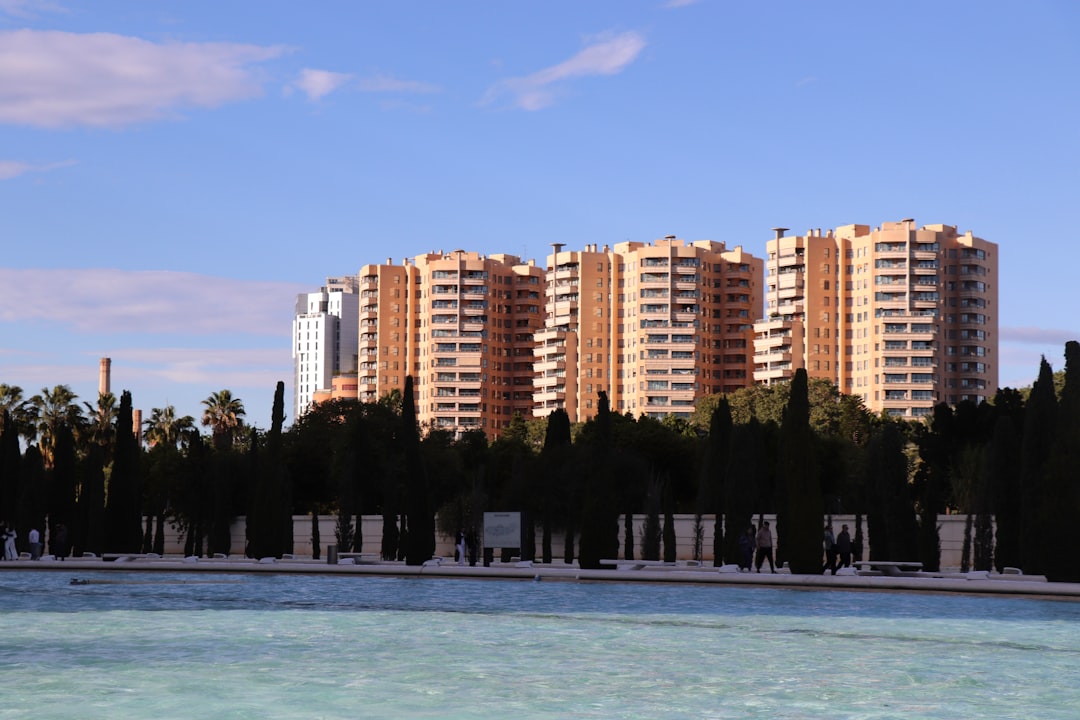
Valencia Property Prices 2026: District-by-District Analysis
Valencia property prices in 2026 vary far more than many buyers expect. Realty Pulse data shows a 95% spread between the city’s most expensi
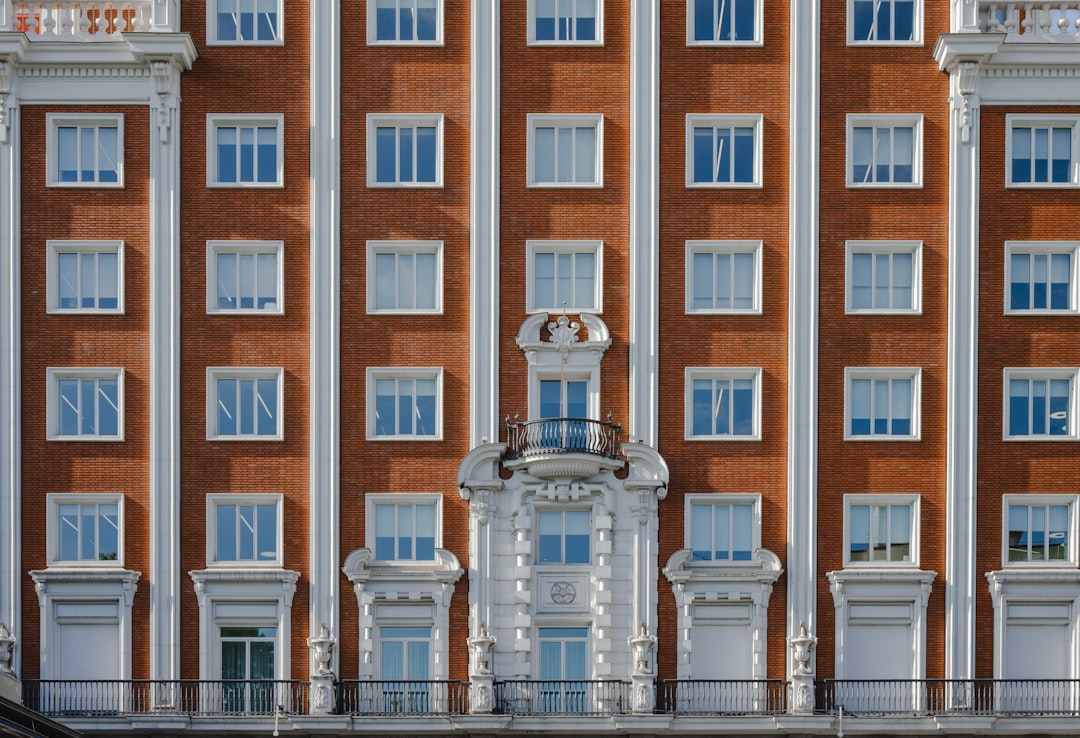
Madrid Property Market 2026: District Prices, Value and Buyer Strategy
Madrid property prices vary dramatically by district in 2026, from a median of €11,900/m² in Barrio de Salamanca to just €1,900/m² in Zona S

Hidden Savings: Larger Apartments Offer Better Value per Square Meter in Spanish Cities
The **Spanish property market anomalies** uncovered by JobStatsen point to a striking pattern: in both Valencia and Palma, larger apartments